Orthopaedic surgeon
MBBS, MRCS, MB res, FRCS

Mr. Toby Baring is a London shoulder and elbow surgeon with extensive experience, dedicated to providing trusted care for all upper limb conditions.
Book an appointment.svg)
Toby Baring has helped hundreds of people with successful shoulder and elbow operations, getting them back to their life, and doing what they love.
.svg)
Toby Baring will explain your options in plain English, so you feel informed and confident in every decision.

Where possible Toby Baring uses minimally invasive techniques, helping you get back to daily life sooner.

Whether you’re an athlete, busy professional, or simply want pain-free movement, advice is tailored to your needs.
From your first appointment through to follow-up, Toby Baring will provide consistent care and reassurance at every stage.


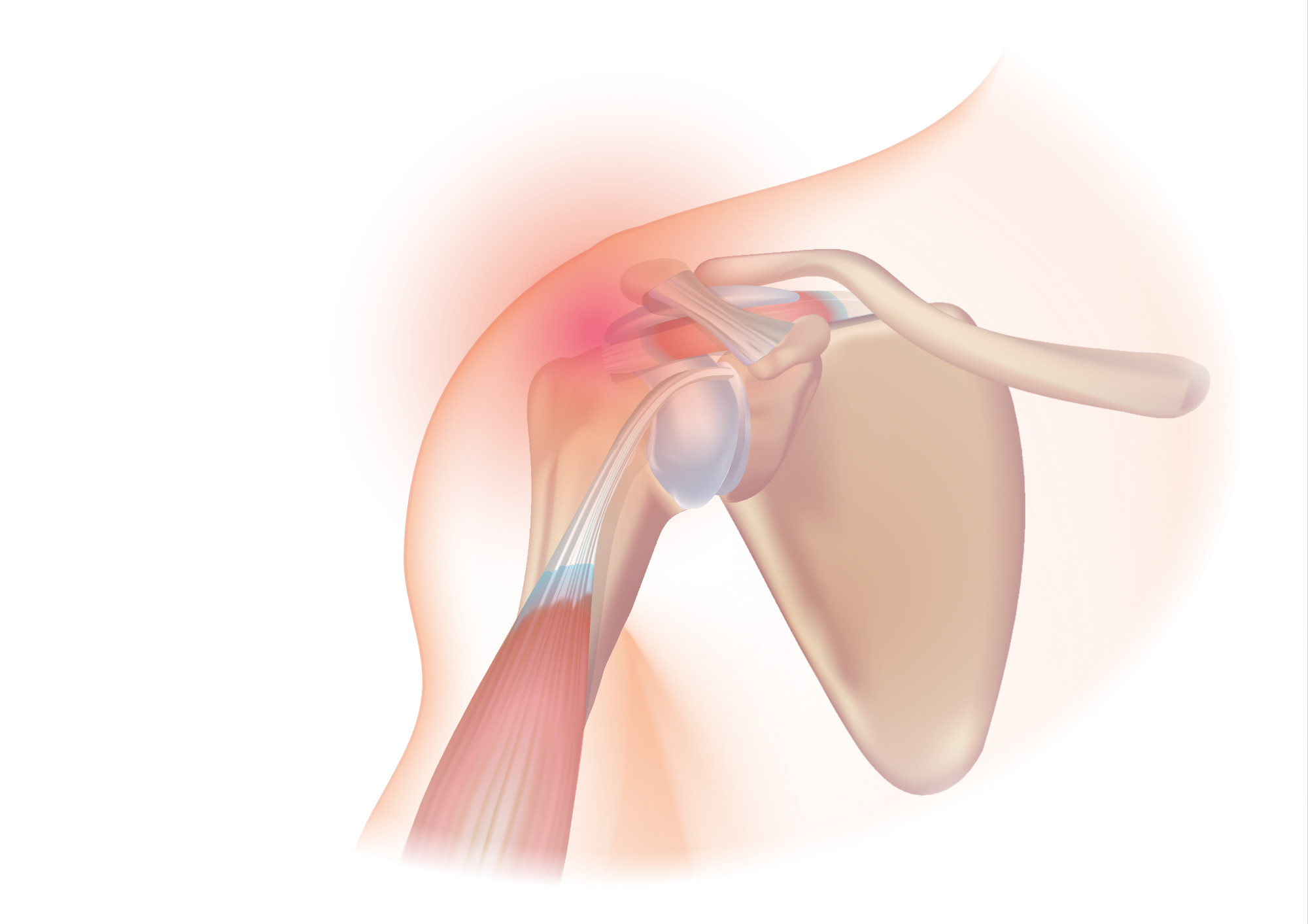
Restore your movement and eliminate arthritic pain. Specialist anatomic and reverse shoulder replacement with Mr Toby Baring. Seeing patients at King Edward VII and OneWelbeck.

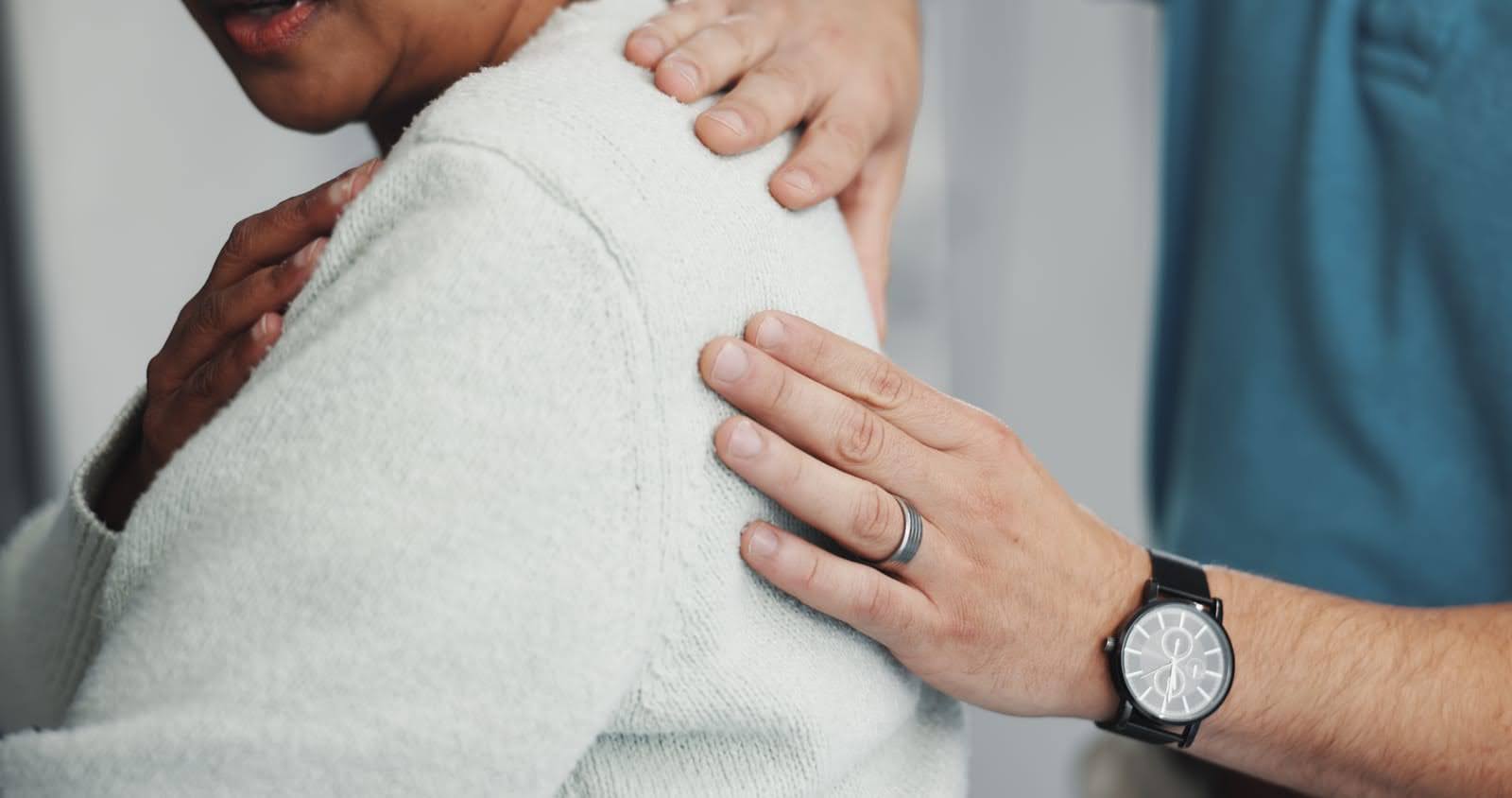
Stop living with shoulder pain. Expert minimally invasive (keyhole) surgery and rapid recovery with
Mr Toby Baring in central London.
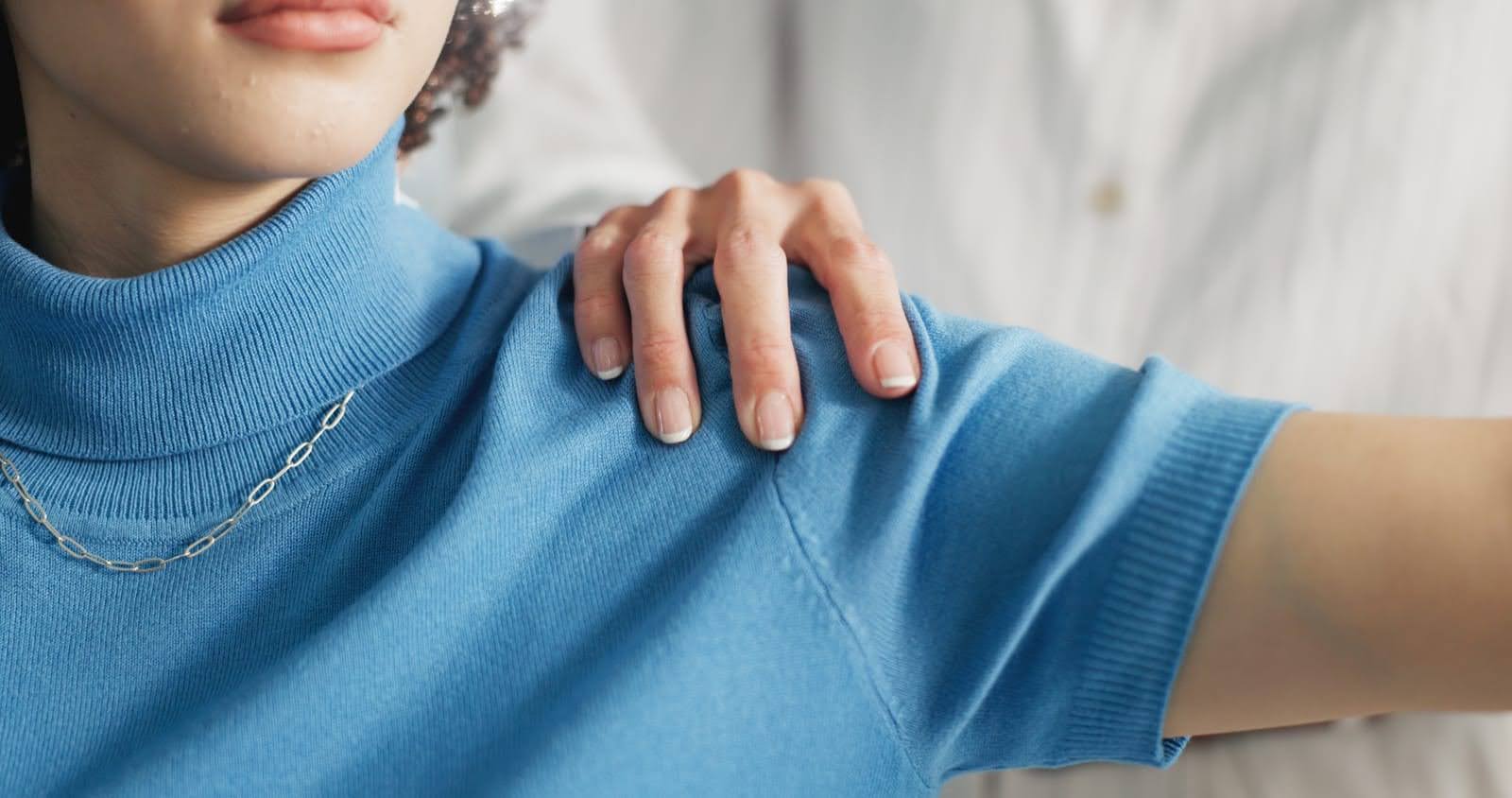
Stop the stiffness and regain your sleep. Rapid assessment, hydrodilatation injections, and keyhole release surgery with Mr Toby Baring in central London.


Personalised diagnosis and treatment for shoulder and elbow conditions, from rotator cuff tears and tendon injuries to arthritis and joint instability. Restoring strength, mobility, and confidence with modern surgical and non-surgical care.
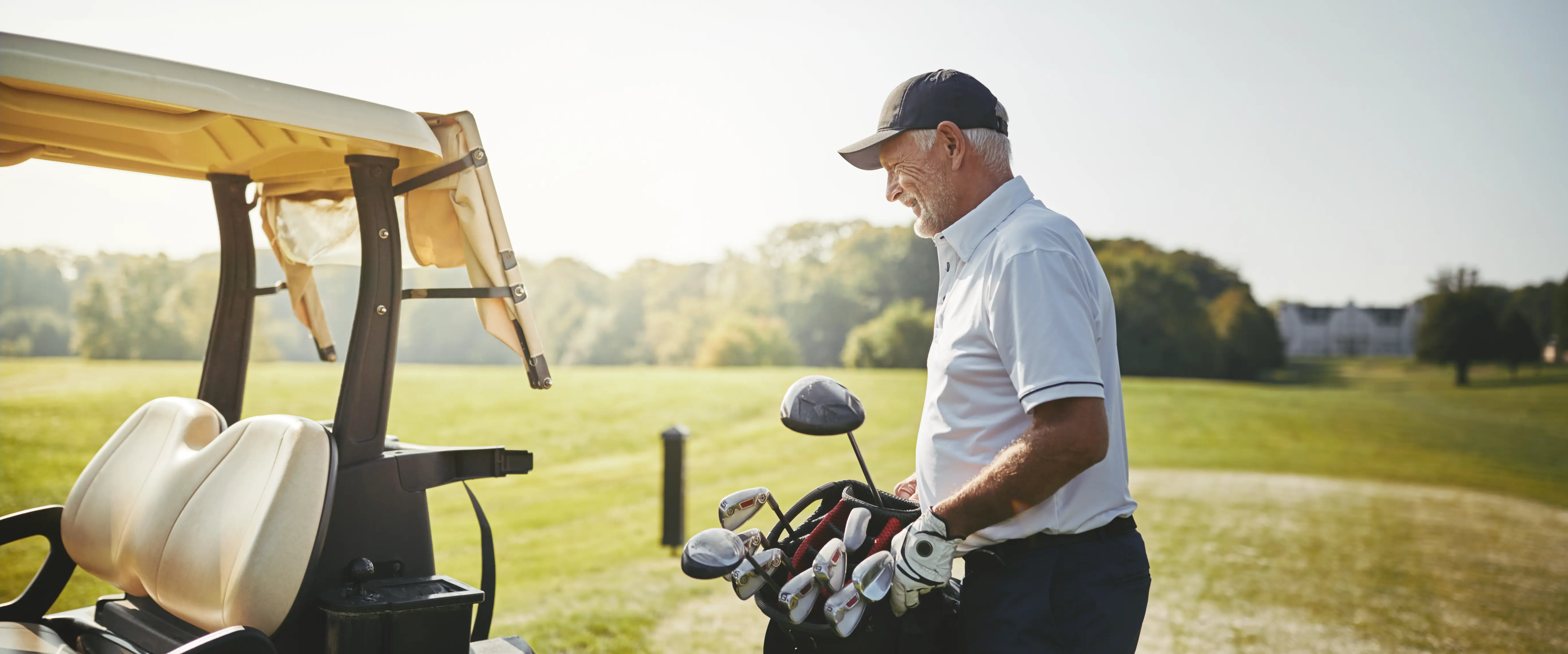
Whether you’re a weekend golfer or a competitive athlete, Mr. Baring's goal is to get you back to the activities you love. We treat sports-related injuries, overuse conditions, and mobility issues with tailored rehabilitation and surgical expertise.

Expert assessment and treatment for fractures, dislocations, and traumatic injuries. Mr. Baring provides complete care, from urgent treatment to long-term recovery, helping patients regain full function and return to normal life safely.

One Welbeck, King Edward Vii's Hospital and the Hospital of St John and Elizabeth.
Remote consultations can be arranged if necessary.
Mr Baring has clinics Monday to Thursday every week.
Children under the age of 13 are seen at the Hospital of St John and Elizabeth's only, children over 13 years old can be seen at One Welbeck.
We work with a range of insurers: Aviva, Axa Health, Aetna, Healix, Cigna, Simply Healthcare, Bupa, Allianz Care, WPA, Vitality
There are many causes of shoulder pain, both intrinsic to the shoulder but also referred from other parts of the body, e.g. neck and heart. There are about five common pathologies seen in the shoulder from damage to ligaments, calcium deposits, frozen shoulders, rotator cuff tendon damage and osteoarthritis (wear and tear), and this tends to change with age Young adults tend to suffer from ligament damage which may be sports related, in the elderly population we tend to see tendon problems and arthritis.
This is a common condition seem typically between the ages of 45 and 55, occurring slightly more in women. It is scarring up and stiffening of the deepest layer of tissue in the shoulder – the capsule. It mainly comes on randomly but can be triggered by either trauma or surgery. We know there is a strong genetic component and more recently we have identified a gene associated with it which increases the risk of developing it. It causes a restriction in range of movement and considerable pain, especially at night. Thankfully it is a benign, self limiting condition which, in most cases, responds well to active treatment.
As a rule tendon start to degenerate from the age of about 40. The speed at which this occurs is highly variable between people depending on subtle differences in genetic make up. it is less to do with occupation or activities, but we do know that remaining active and regularly exercising has a protective effect. Usually tendons degenerate to the point they are weak enough to tear spontaneously – it is less common that tendon damage is caused by direct trauma. The size of the tear, age of the patient and activity level will determine treatment, but in many cases tears do not need surgical repair.
Like any joint in the body the shoulder has the ability to wear out overtime – essentially this is thinning of the articular cartilage (very smooth surface covering the bones), which leads to increased friction and inflammation. As the condition progresses new bits of bone form round the side of the joint (osteophytes) which start to limit the movement of the shoulder. Often the condition can be treated with steroid injections but ultimately advanced arthritis may need a shoulder replacement.
This is highly variable depending on what sort of surgery but a minor procedure such as shaving away a bone spur or removing inflammatory tissue can take a few weeks. More complex procedures like rotator cuff repairs and shoulder replacements can take between six and nine months.